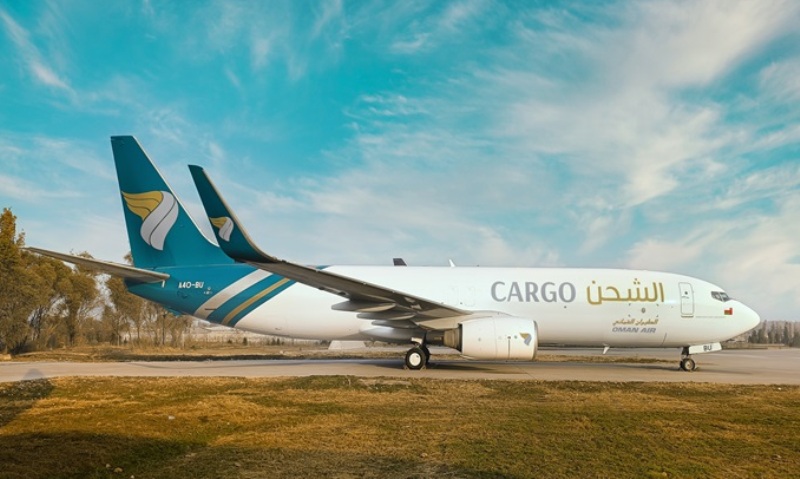
Air freight rates are set to climb further after Oman Air Cargo introduced additional war risk and fuel surcharges, reflecting rising operational costs and ongoing geopolitical uncertainties.
The carrier’s move comes amid heightened tensions in key transit regions, which have led to increased insurance premiums and operational risks for airlines. The newly imposed surcharges are expected to be applied across multiple routes, particularly those linked to West Asia and nearby corridors.
Industry sources indicate that fuel price volatility has also played a significant role in the decision. With aviation fuel costs remaining elevated, airlines are adjusting pricing structures to offset the financial burden and maintain operational viability.
Freight forwarders say the additional charges will further push up air cargo costs, especially for time-sensitive and high-value shipments that rely heavily on air transport. Sectors such as pharmaceuticals, perishables, and electronics are likely to feel the immediate impact.
The introduction of war risk surcharges highlights the growing influence of geopolitical factors on global logistics. Airlines are factoring in potential disruptions, rerouting risks, and increased security requirements when pricing their services.
Market participants note that the move by Oman Air Cargo could prompt other carriers to follow suit, leading to a broader rise in air freight rates. This would add to the cost pressures already being faced by shippers due to disruptions in ocean freight.
Despite the increase in costs, demand for air cargo remains relatively steady, supported by the need for faster transit times and supply chain reliability. However, stakeholders caution that sustained cost escalation could eventually impact shipment volumes.
As global trade continues to navigate a volatile environment, the latest surcharge adjustments underscore the challenges faced by logistics providers and the cascading impact on supply chains worldwide.
