
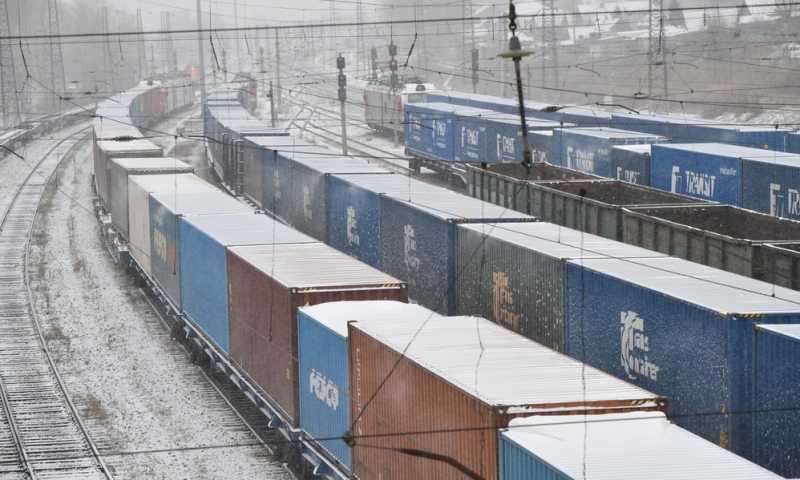
Container train operators across India are beginning to feel the strain as the ongoing crisis in West Asia disrupts cargo flows, shipping schedules, and port operations. The ripple effects of delayed vessel arrivals and rerouted maritime traffic are now spilling over into the rail logistics segment, creating uncertainty in container movement planning.
With key shipping routes facing instability, several mainline operators have either deferred sailings or diverted vessels, leading to irregular cargo volumes at major Indian ports. This has directly impacted container train operators, who rely on predictable vessel berthing schedules to plan inland evacuation and turnaround cycles.
Rail-linked container volumes, particularly those tied to exports and transshipment cargo, have shown signs of fluctuation in recent weeks. Exporters are facing challenges in securing confirmed bookings, while importers are dealing with extended transit times and unpredictable cargo availability. As a result, container train operators are witnessing uneven demand across corridors.
Industry stakeholders note that congestion at select ports, coupled with bunching of vessels, is further complicating rail operations. In some cases, sudden spikes in container volumes are followed by lean periods, making asset utilization difficult for train operators.
Additionally, higher freight rates and insurance premiums linked to the West Asia situation are influencing trade flows, with some shippers opting to delay or reroute cargo. This is adding another layer of complexity for rail operators trying to maintain service reliability.
Despite the challenges, operators are attempting to adapt by recalibrating schedules, optimizing rake utilization, and coordinating closely with port terminals and shipping lines. However, much will depend on how long the geopolitical tensions persist and their continued impact on global shipping networks.
The situation remains fluid, and container train operators are bracing for further volatility in the weeks ahead.