
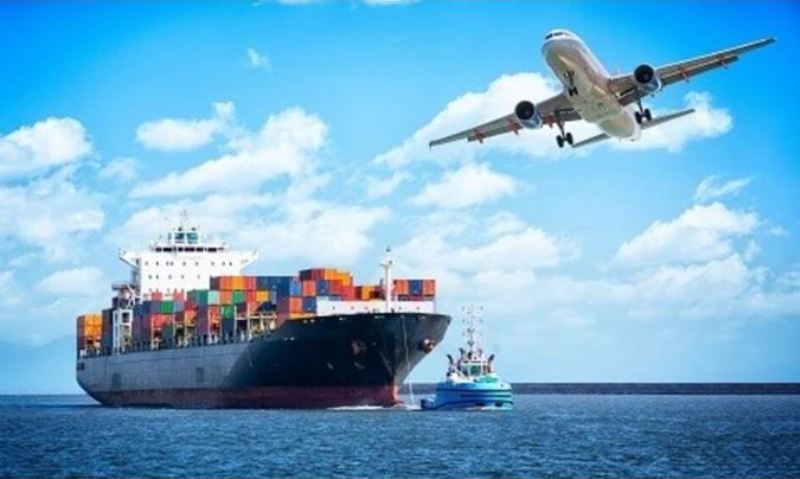
New Delhi: The Centre has convened an urgent high-level meeting to assess the impact of escalating tensions in West Asia on India’s air cargo corridors and key maritime shipping lanes, amid reports of flight diversions, vessel rerouting and rising freight costs.
Officials from the Ministries of Civil Aviation, Ports, Shipping and Waterways, Commerce, and External Affairs are understood to have reviewed the evolving security situation across the Gulf region, particularly around the strategic Strait of Hormuz and major transshipment hubs.
The meeting follows multiple advisories issued by the Directorate General of Shipping urging Indian-flagged vessels and seafarers to exercise heightened vigilance while operating in and around sensitive waters. Shipping lines have reportedly begun rerouting vessels away from high-risk zones, leading to longer transit times and potential congestion at alternative ports.
Industry sources said that air cargo operators are also facing disruptions, with several international carriers avoiding certain airspaces in West Asia due to security concerns. This has resulted in extended flight paths, increased fuel consumption and possible delays in time-sensitive consignments, including perishables and pharmaceuticals.
India’s trade exposure to the region remains significant. A substantial portion of the country’s crude oil imports transits through the Gulf, while ports in the UAE and Oman serve as major transshipment and logistics hubs for Indian exports to Europe, Africa and the Americas.
Particular attention is being paid to the Strait of Hormuz — one of the world’s busiest oil transit chokepoints — and port clusters around Dubai and Oman. Earlier incidents involving missile and drone activity in the region have already triggered insurance premium hikes and war-risk surcharges for vessels.
Government officials indicated that contingency plans are being drawn up to ensure minimal disruption to essential imports, especially energy supplies, and to safeguard export commitments. Export promotion councils and logistics associations are also being consulted to assess sector-specific impacts.
The Centre is expected to issue a consolidated advisory to shipping lines, freight forwarders and exporters after the review, while maintaining close coordination with Indian missions in the region to monitor developments on the ground.
Industry stakeholders have urged swift clarity and coordinated action to prevent supply chain bottlenecks, warning that prolonged instability could push up freight rates and impact India’s trade competitiveness in the short term.