
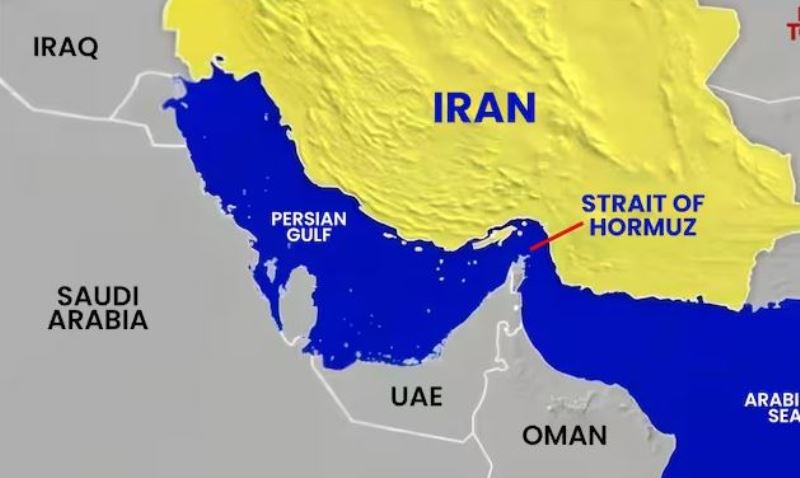
The near-total shutdown of the Strait of Hormuz is rapidly reverberating across the global economy, disrupting energy flows, driving up costs and placing mounting pressure on developing countries, according to UN Trade and Development (UNCTAD).
In its latest rapid assessment, the agency said vessel traffic through the critical energy corridor has collapsed by nearly 95%, plunging from around 130 ships per day in February to just six in March. The dramatic decline has effectively halted one of the world’s most vital arteries for oil and gas trade.
The disruption is already hitting global supply chains, with immediate consequences for production, trade and consumption. Maritime transport, air cargo and port operations are also feeling the impact as energy shortages ripple through logistics systems.
UNCTAD identified rising energy costs as the main channel through which the crisis is affecting the global economy. Fuel prices have surged since the escalation on 28 February and remain elevated, while the cost of transporting oil has climbed sharply.
These increases are feeding into broader supply chains, raising the cost of producing and moving goods worldwide. Oil and liquefied natural gas carriers have been the hardest hit, facing reduced volumes and higher risk premiums, while container and dry bulk shipping are experiencing indirect cost pressures.
Global trade, which began 2026 on a strong footing, is now expected to slow significantly. UNCTAD projects merchandise trade growth will fall to between 1.5% and 2.5% this year, down from about 4.7% in 2025. Global economic growth is also forecast to ease to 2.6% in 2026.
The crisis is also intensifying financial stress, particularly in developing economies. Investors are moving away from riskier assets, triggering sell-offs in stocks, bonds and currencies. Weaker currencies are making imports such as fuel and food more expensive, while borrowing costs are rising.
Developing countries are facing the sharpest impact, as higher energy prices, tighter financial conditions and existing debt vulnerabilities converge. Rising costs for food, fuel and fertilizers are increasing the risk of economic instability and food insecurity.
UNCTAD warned that if disruptions persist, the combined effects of energy shocks, slowing trade and financial tightening could evolve into a broader, cascading global crisis with far-reaching consequences for growth and development.