
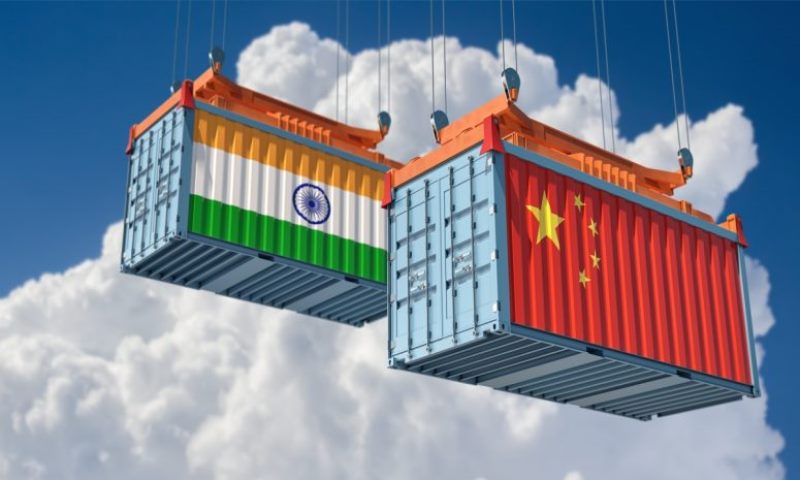
India is pursuing a calibrated trade strategy with China, choosing economic pragmatism over hard decoupling while simultaneously accelerating efforts to expand domestic manufacturing and boost exports. The approach reflects New Delhi’s attempt to reduce strategic vulnerabilities without disrupting critical supply chains or trade flows.
Despite geopolitical tensions and tighter scrutiny on Chinese investments, bilateral trade between India and China remains significant, particularly in sectors such as electronics, machinery, chemicals, and industrial inputs. Indian industries continue to rely on Chinese imports for components and raw materials, making a sharp break commercially challenging.
At the same time, India is intensifying its export push through production-linked incentives, free trade agreements, and initiatives aimed at strengthening local manufacturing capacity. Policymakers are focusing on sectors such as electronics, pharmaceuticals, textiles, and renewable energy to improve competitiveness and diversify sourcing.
Analysts say India’s balancing act seeks to preserve economic stability while gradually building self-reliance and increasing global market share. The strategy is expected to continue as India navigates regional competition, supply chain realignment, and long-term industrial growth objectives.