
During a significant trip to India, Greek Prime Minister Kyriakos Mitsotakis engaged in discussions that extended beyond mere trade talks, delving into strategic partnerships that could reshape the balance of maritime power in Europe. India’s burgeoning interest in establishing a port presence in Greece marks a potential shift in the European Union’s (EU) trade dynamics, directly challenging China’s established foothold through its Belt and Road Initiative. This development comes amidst India’s broader aspirations to enhance its logistics and shipping capabilities on a global scale.
Strategic Intentions and Challenges
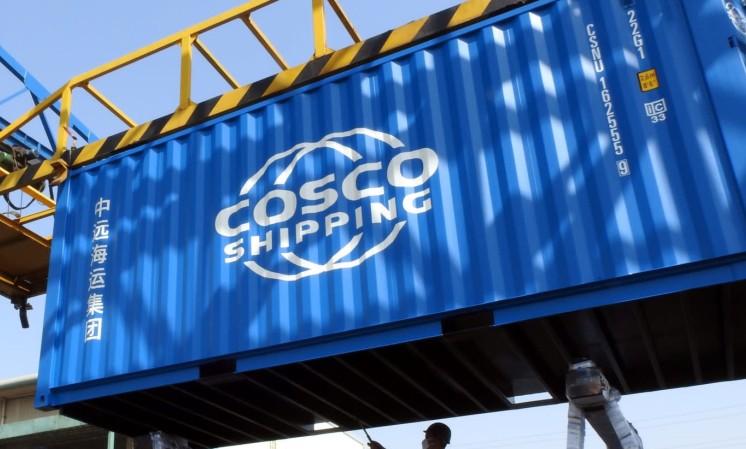
India’s quest for a Greek port is driven by a vision to create a robust commercial corridor connecting it with the Middle East and Europe. However, identifying a suitable port that aligns with India’s economic magnitude and strategic interests poses a significant challenge . The major port of Piraeus, under the management of China’s COSCO, has emerged as a critical juncture in the EU’s maritime trade, leaving India to consider alternatives amidst concerns of competition and logistical feasibility. The scenario underscores the complexities of global trade dynamics and the strategic maneuvering required to navigate them.
Expanding Horizons Beyond Ports
India’s ambitions extend beyond acquiring a port in Greece, encompassing the development of large logistics centers in the Balkans and utilizing airports for cargo operations targeting Central and Northern Europe. This strategic expansion indicates India’s intent to build a comprehensive logistics network that enhances its trade capacity and connectivity with Europe. The focus on shipping and the attraction towards Greece’s prominent shipping sector further highlight India’s commitment to bolstering its maritime capabilities, with Indian shipping companies showing a preference for chartering vessels from Greek shipowners.
Future of India’s Maritime Aspirations
Under the leadership of Prime Minister Narendra Modi, India is poised to significantly develop its shipbuilding industry, with ambitions to rank among the world’s top five in shipbuilding and ship repair within the next decade. This ambitious goal reflects India’s broader aspirations to become a dominant player in global maritime trade and logistics. The potential collaboration with Greece, coupled with investments in logistics and shipping infrastructure, could serve as a pivotal step towards realizing India’s maritime ambitions, reshaping trade routes, and challenging existing power dynamics in the region.