
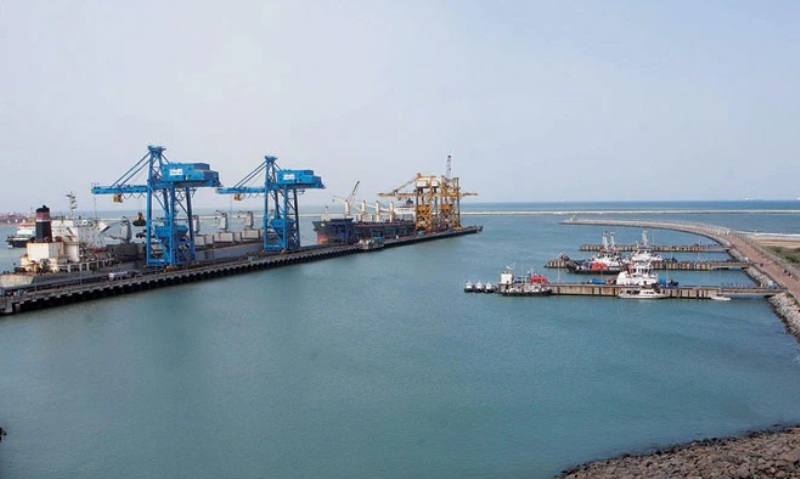
Kamarajar Port Ltd (KPL) has earmarked significant storage capacity to manage disruptions in automobile exports caused by escalating tensions in West Asia, which have impacted key shipping routes to the Gulf region.
The port has set aside approximately 100,000 square metres of storage space to handle diverted cargo, particularly export vehicles rerouted due to delays and uncertainties in Gulf-bound shipments. So far, 5,711 vehicles have already been received at the port, according to officials familiar with the developments.
Kamarajar Port is currently accommodating a surge in export volumes, with capacity being created for nearly 7,000 transshipment vehicles. The disruption stems from shipping lines avoiding affected maritime corridors, leading to delays in scheduled sailings to Gulf destinations.
To support exporters and ease congestion, the port has also extended the free storage period by an additional 20 days, effectively doubling the standard 20-day window. This move is expected to provide relief to automobile manufacturers facing logistical bottlenecks and rising costs due to vessel schedule uncertainties.
Chennai, a major automobile manufacturing hub, has been particularly affected by the slowdown in shipments to the Middle East. Industry sources indicate that companies are actively exploring alternative routes to ensure timely deliveries.
Officials noted that safety, vessel availability, and route stability remain immediate concerns, with manufacturers closely monitoring the evolving geopolitical situation. The ongoing disruptions highlight increasing strain on India’s automobile export supply chain, prompting the need for adaptive logistics planning and temporary storage solutions.
The situation continues to evolve as tensions in West Asia threaten to further impact global trade flows and maritime connectivity.