
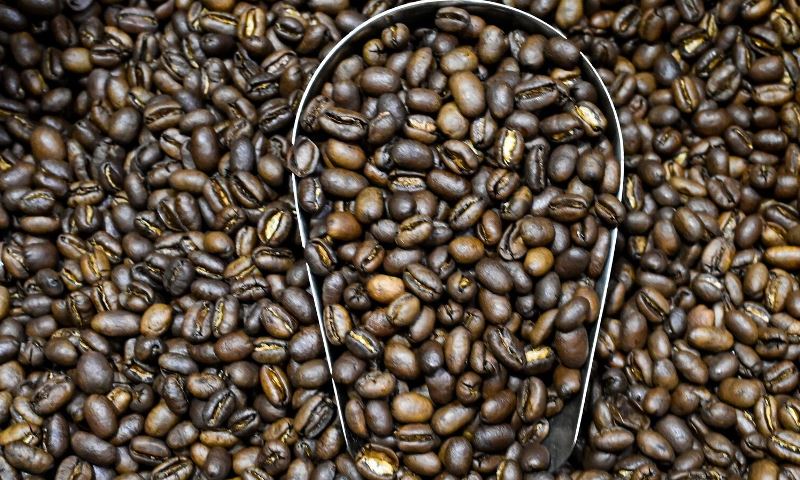
India’s coffee and tea exports are witnessing strong growth, driven by rising global demand for premium and specialty varieties. Exporters report increased interest from key international markets as consumers shift toward high-quality, sustainably sourced beverages.
The uptick has been particularly visible in shipments of specialty coffee, including single-origin and estate-grown beans, as well as premium teas such as orthodox, green, and artisanal blends. Buyers across Europe, North America, and parts of Asia are showing a clear preference for traceable, high-grade products, boosting India’s export prospects.
Industry stakeholders attribute the momentum to evolving consumer preferences, with a growing focus on quality, flavor profiles, and ethical sourcing practices. Certifications related to sustainability and organic production are also playing a crucial role in enhancing the appeal of Indian offerings in global markets.
Exporters have also benefited from improved branding and marketing efforts, positioning Indian coffee and tea as premium products rather than bulk commodities. Initiatives to promote geographical indications and origin-based branding—such as Darjeeling tea and select Arabica coffee regions—have helped strengthen India’s global identity in the segment.
Despite logistical challenges and fluctuating freight rates, the sector has managed to sustain growth, supported by steady demand and favorable pricing for premium categories. Analysts note that value-added exports are increasingly contributing a larger share of total earnings, improving margins for producers and exporters alike.
Looking ahead, the outlook remains positive as global consumption trends continue to favor premium beverages. However, industry players remain watchful of climate-related risks, currency volatility, and shifting trade dynamics that could influence export performance in the months ahead.
With continued focus on quality enhancement, sustainability, and market diversification, India’s coffee and tea sectors are well-positioned to capitalize on the growing global appetite for premium products.