
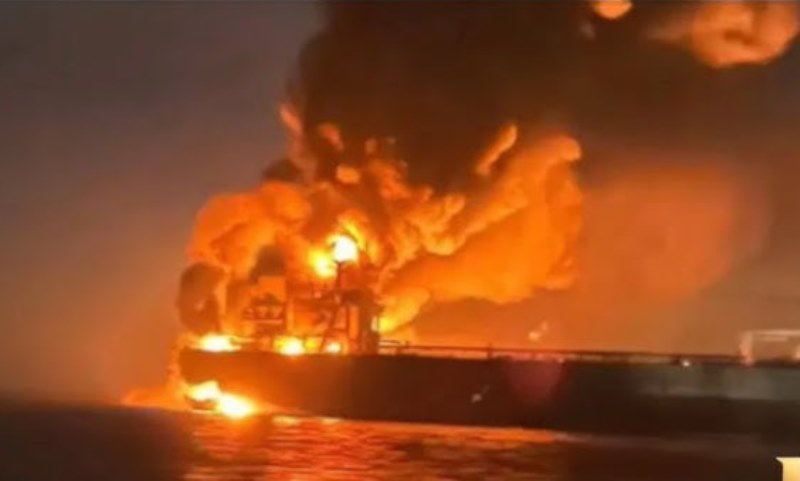
The ongoing conflict involving Ukraine has intensified with the expanded use of drone warfare, significantly disrupting logistics and maritime activity across the Black Sea.
Targeted drone strikes on port infrastructure, storage facilities, and shipping assets have increased operational risks, forcing vessels to alter routes or delay sailings. The heightened threat environment has also led to stricter security protocols and limited access to key ports in the region.
Shipping companies and insurers are responding by raising war-risk premiums, while some operators have scaled back operations altogether. These developments have contributed to rising freight costs and uncertainty in cargo movement, particularly for grain and bulk commodities traditionally exported via the Black Sea.
Logistics chains have also been affected inland, with disruptions to rail and road networks that connect ports to production hubs. This has further complicated export flows, delaying shipments and increasing transit times.
Industry observers note that the sustained use of drones has introduced a new dimension to maritime risk, making conventional security measures less effective and increasing unpredictability in the region.
The disruptions are having broader implications for global supply chains, especially in agricultural markets where Black Sea exports play a crucial role. As the situation evolves, stakeholders are closely monitoring developments and adjusting strategies to navigate the challenging operating environment.