
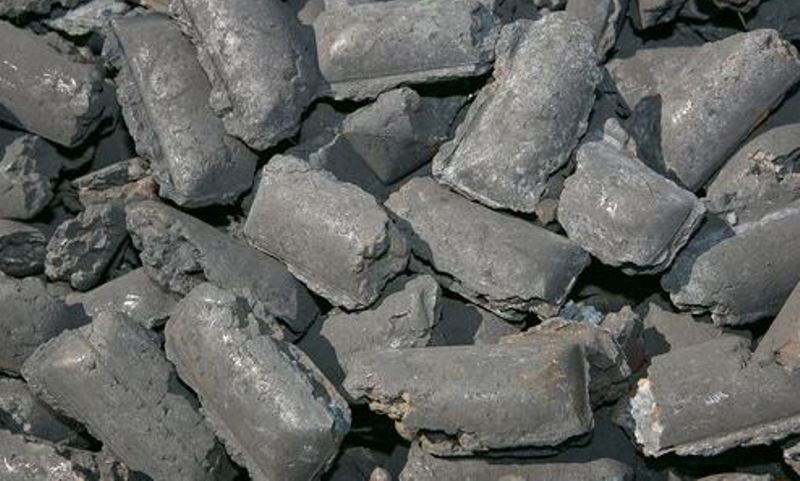
India’s sponge iron exporters are maintaining stable prices even as demand from Bangladesh, one of the country’s key importers, has slowed. Industry sources say that while Bangladeshi buyers are negotiating for lower rates due to weak local demand, Indian suppliers have largely held firm, reflecting overall price stability in the domestic market.
According to traders, Indian sponge iron export offers for FE 90% material remain in the range of $540–$550 per ton (CFR), unchanged from the previous month. This stability is attributed to tight domestic availability, rising input costs, and a relatively firm global steel market that supports sustaining export rates.
Bangladesh’s slowing demand is largely due to lower rebar and finished steel consumption, a result of reduced construction activity and tighter financing conditions. Importers have reduced volumes, seeking to limit exposure amid domestic market pressures. However, exporters in India report that shipments are still going through at negotiated volumes, albeit slightly lower than peak levels.
Analysts note that the current scenario highlights the resilience of Indian sponge iron export pricing. While short-term adjustments might occur for large orders or bulk shipments, overall CFR offers remain steady, helping Indian producers manage cash flows and plan for the upcoming fiscal period.
Exporters are also eyeing alternative markets in Southeast Asia and the Middle East to diversify demand amid the temporary slowdown from Bangladesh. Some traders are optimistic that seasonal upticks in construction activity later this year could restore stronger import demand from traditional buyers.