
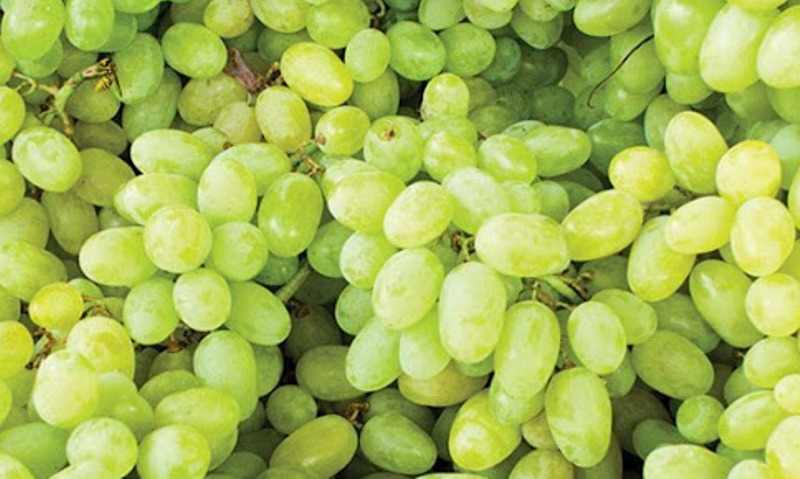
India’s white seedless grape shipments to the European Union (EU) are running significantly below last season’s levels, raising concerns about tightening supply in key European markets that traditionally rely on Indian fruit. Exporters and industry analysts say delays in harvest and adverse weather conditions have cut export volumes, while competition from other origins and shifting trade dynamics are reshaping market flows.
According to grape trade sources, Indian shipments to Europe this season are about 40% lower than last year at comparable points, as harvest delays due to unseasonal rains in Nashik — India’s principal grape belt — pushed back packing schedules and reduced crop yields. Export volumes through early 2026 have lagged, with fewer containers arriving in European ports compared with the same period in the previous season.
Industry stakeholders note that Spain, Italy and other EU markets have seen sustained arrivals from South Africa, Peru and other Southern Hemisphere suppliers, which has softened overall market demand for Indian grapes. In some European wholesale centers, plentiful stocks from these origins have kept prices in check, further dampening the attractiveness of Indian shipments.
Indian exporters also face evolving trade conditions: strong domestic demand and increased prices in local markets are absorbing more produce, and logistical factors such as reefer container availability and freight pricing have the potential to concentrate and delay shipments.
White seedless grapes — particularly Thompson and Sonaka varieties — are a key segment of India’s table grape exports to Europe, valued for their quality and shelf life. However, with volumes depressed this season, buyers in the EU are monitoring supply trends closely, and there are early signs that tighter availability could tighten retail inventories if competing suppliers cannot fully compensate.
Exporters are hopeful that upcoming improvements in vineyard management practices and varietal selection will help stabilise supply next season, but for now, the combination of reduced Indian export volumes and strong competition in Europe spells a potential supply crunch for white seedless grapes in the months ahead.