
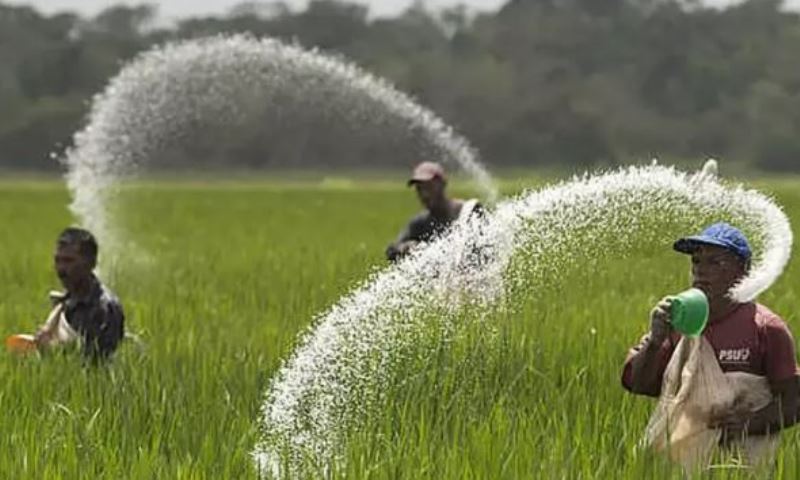
India is seeking additional supplies of urea from China after a war-induced gas supply crunch disrupted operations at several domestic fertiliser plants, raising concerns about fertiliser availability ahead of key agricultural seasons.
Industry sources said the surge in global natural gas prices and tighter supplies—linked to geopolitical tensions affecting energy markets—have forced some Indian fertiliser producers to scale back production. Natural gas is the primary feedstock used in urea manufacturing, making fertiliser output highly sensitive to gas availability and price fluctuations.
To bridge the supply gap, Indian authorities and fertiliser importers have approached Chinese suppliers for shipments of urea. China is one of the world’s largest producers and exporters of nitrogen-based fertilisers, and its supply is often tapped during periods of global shortages.
Officials say the move is aimed at ensuring adequate fertiliser availability for farmers, particularly as the country prepares for upcoming crop cycles. Maintaining stable urea supplies is considered crucial for safeguarding agricultural productivity and preventing price volatility in the domestic fertiliser market.
India typically relies on a mix of domestic production and imports to meet its urea demand. However, disruptions in feedstock supply can quickly affect local output, prompting the government to step up imports from major producing countries.
Market participants note that increased Indian demand could influence regional fertiliser trade flows and prices, especially if the gas supply crunch continues to impact production across several fertiliser plants.