
India’s spice export sector is pinning its hopes on possible tax concessions under the proposed India-US trade agreement, as exports to the United States have fallen by 25 to 30 per cent following the imposition of higher import duties.
Speaking to ETV Bharat in Kochi, Emmanuel Nambusseril, Chairman of the All India Spices Exporters Forum, said that during 2024-25, the US imported Indian spice products worth approximately $654.71 million, accounting for nearly 30 per cent of India’s total spice exports. The US remains the second-largest market for Indian spices.
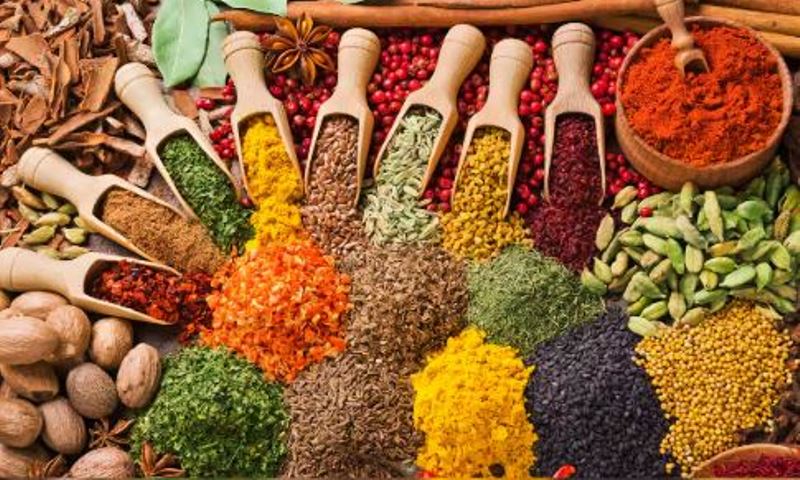
In the 2024-25 financial year, India’s total spice exports stood at around Rs 39,994 crore. Kerala ranks second after Gujarat in total spice exports, with a substantial share of the state’s export earnings coming from spices. Key products shipped to the US include celery, cumin, curry powder, fennel, fenugreek, garlic, chilli and mint.
However, exporters are grappling with steep import duties imposed by the US. The duty on spice extracts — a major export item from states such as Kerala — has reportedly been raised to nearly 50 per cent, placing exporters under severe financial strain. Although there are indications that duties may be reduced, no official changes have been implemented so far.
Nambusseril said that even an 18 per cent duty would remain a significant burden in the current market environment and would ultimately increase costs for consumers.
The uncertainty has prompted several Indian companies to consider shifting production to countries such as Vietnam, Indonesia and Thailand, where lower duty structures provide a competitive advantage. Exporters point out that Vietnam and Sri Lanka currently enjoy lower tariff access to the US market, impacting India’s competitiveness, particularly in products like black pepper.
Ramkumar Menon, Chairman of the World Spice Organisation, noted that India’s efforts to diversify into alternative markets amid the US slowdown are encouraging. While China has been India’s largest spice market for the past four years, he emphasised that the US market remains too significant to overlook. Exporters believe that meaningful tax concessions under the upcoming trade agreement could revive growth momentum in the sector.
Against this backdrop, the All India Spices Exporters Forum is set to organise the 9th International Spice Conference (ISC) in Kochi from February 23 to 26 to deliberate on emerging challenges, market diversification strategies and future opportunities for the industry.