
Escalating tensions in the Middle East, particularly involving United States, Israel and Iran, could begin to weigh on Indian port logistics if disruptions intensify in the Red Sea and the Persian Gulf, according to a note by JM Financial.
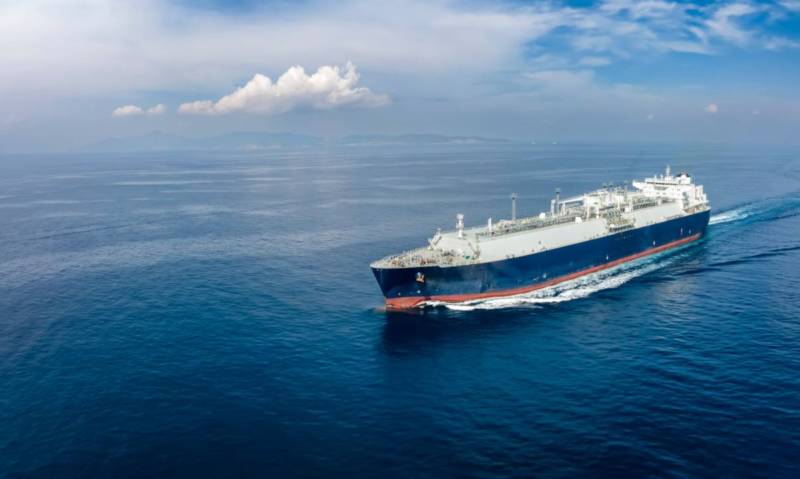
The brokerage warned that LNG shipments are likely to be most vulnerable in the near term, while crude oil imports could see a realignment if Indian refiners diversify sourcing away from the Gulf. Any such shift may temporarily impact cargo volumes at Indian ports during March 2026.
Limited impact on container volumes
Container trade to the Middle East has already seen some moderation, though the overall impact on major Indian gateways such as Mundra Port and Jawaharlal Nehru Port is expected to remain contained.
Around 15 per cent of Mundra’s annual container throughput — or roughly 1.3–1.4 million TEUs out of nearly 9 million TEUs handled annually — is linked to Middle East trade. This translates to a potential 3–4 per cent monthly volume impact for Adani Ports and Special Economic Zone (ADSEZ), JM Financial said, citing discussions with management. Even if the conflict extends beyond three months, the cumulative impact is estimated at only about 1 per cent of total volumes.
Other ports including Vizhinjam Port, Kattupalli Port, Port of Colombo and ports in Tanzania are expected to remain largely unaffected. The impact on Haifa is also minimal, contributing just around 1.5 per cent to ADSEZ’s FY26 EBITDA.
Route realignments under way
Shipping companies are actively exploring alternative routes to avoid the Strait of Hormuz amid rising geopolitical risks. Options under consideration include transshipment and routing via Khor Fakkan Port, Port of Fujairah and Port of Salalah.
While Fujairah remains operational, recent drone strikes reportedly caused a fire at JSW Infra’s tankage facility. Iran has not ruled out a blockade of the Strait of Hormuz and has reportedly attacked oil tankers off Oman and a Qatar LNG facility. Strikes were also reported at Ras Laffan, affecting operations.
Infrastructure alternatives could partially cushion the blow. The Habshan–Fujairah crude pipeline, with a capacity of 1.5 million barrels per day, bypasses the Strait of Hormuz. Similarly, Saudi Arabia can divert crude exports via the East-West pipeline to Yanbu on the Red Sea, which has a capacity of 5 million barrels per day.
However, rerouting vessels via the Cape of Good Hope instead of the Strait of Hormuz or the Red Sea would add 10–15 days to transit times to the US and Europe, effectively tightening global shipping capacity.
LPG and LNG supply risks
India sourced nearly 50 per cent of its LPG imports in CY25 from Qatar, Kuwait and Saudi Arabia. These supplies have faced operational and logistics disruptions. To mitigate risks, Indian oil marketing companies have signed a deal with the US to import around 2.2 million tonnes of LPG from CY26, accounting for roughly 10 per cent of annual imports.
Around 40 per cent of LPG imports are sourced from the UAE, with Fujairah remaining operational so far. However, the Gulf region accounts for nearly 33 per cent of global LPG exports, and production disruptions could push prices higher in the near term.
Post-conflict, LNG prices in the region have surged about 40 per cent, compared with a 17 per cent increase in propane and butane. Analysts said this widening LNG–LPG price gap could support distribution margins for Aegis Logistics, similar to trends seen during the FY24 Russia–Ukraine conflict.
Commodity trade implications
Beyond energy, disruptions in the Gulf could impact global trade in aluminium, fertilisers and iron ore pellets. The region accounts for around 15 per cent of global aluminium exports and a similar share of iron ore pellet exports.
Any sustained disruption could tighten global supply and potentially revive iron ore pellet exports from India, benefiting port operators such as JSW Infrastructure and Adani Ports, particularly at their eastern ports.
Overall, while near-term supply disruptions may persist, JM Financial believes the impact on Indian port operators could remain manageable, provided alternative trade routes and sourcing arrangements continue to evolve.