
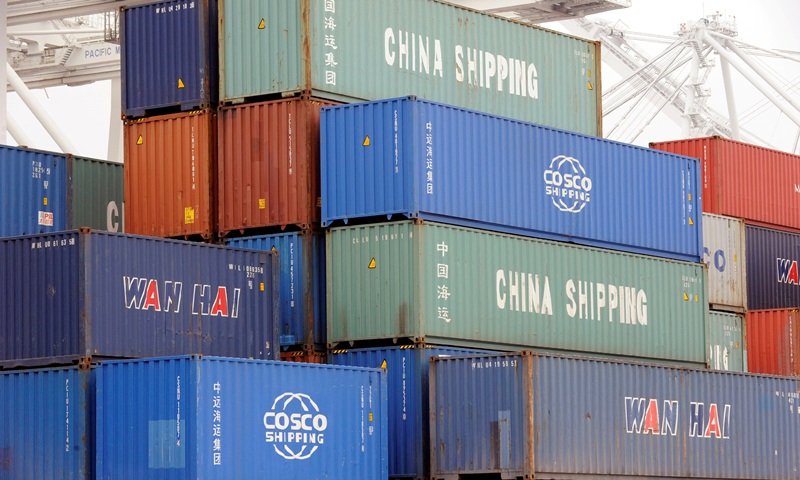
Global shipping companies are scrambling to restructure funding arrangements to avoid steep new charges at US ports, the Financial Times reported.
The rush comes ahead of Trump administration rules set to take effect on October 14, which will impose multimillion-dollar port fees on ships deemed Chinese-owned—even if the vessels have no direct ties to China beyond their financing structures.
At the heart of the issue are “sale and leaseback” agreements, a dominant form of funding that accounts for a large share of the $100 billion in outstanding financing from Chinese institutions to the global shipping sector. Industry executives fear that these deals could cause ships financed in this way to be classified as Chinese-owned under the new regime.
Under the draft rules, most Chinese-owned vessels would face a $50 per net ton fee, which will climb to $140 per net ton over two years starting April. The charges could be devastating: a typical container ship of 20,000 net tons would pay about $1 million per port call, rising to $2.8 million, while a Very Large Crude Carrier of 100,000 net tons could see costs soar from $5 million to $14 million per visit.
Analysts say the policy could reshape global ship financing and deepen financial pressure on operators already grappling with tight margins and shifting trade routes.