
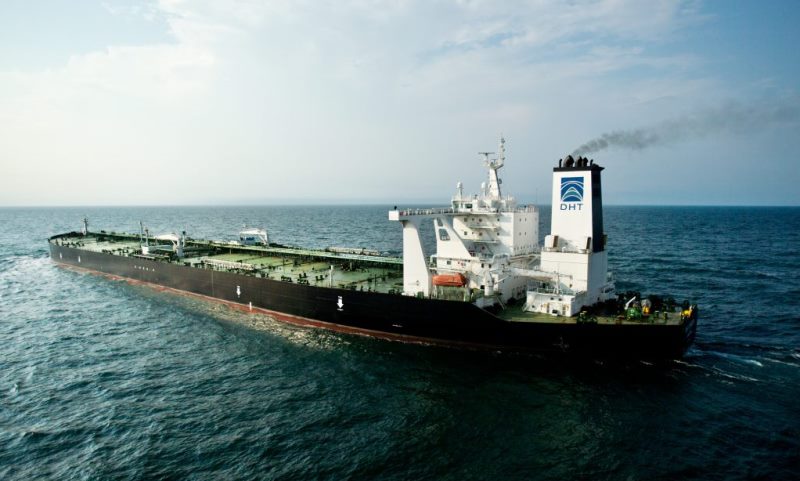
South Korea’s Sinokor Shipping is continuing its aggressive acquisition of VLCCs (Very Large Crude Carriers), with multiple broking reports confirming the company’s involvement in a series of high-profile tanker sales this week. The rapid build-up over the past seven weeks is propelling Sinokor to the top of VLCC ownership charts and contributing to an unprecedented concentration among the world’s largest owners in a previously fragmented sector.
Greece-based Allied Shipbroking forecasts that if Sinokor completes all its planned acquisitions, the six largest VLCC owners—including Sinokor, China Merchants, COSCO, Fredriksen, Bahri, and Angelicoussis Group—would collectively control nearly 30% of the global fleet of 911 ships.
Industry brokers have been surprised by Sinokor’s strategic pivot away from container shipping, having sold most of its boxships to Mediterranean Shipping Co (MSC) to focus on supertankers. In the past month alone, the company has secured more than 30 VLCCs and is reportedly targeting an additional 20 vessels. Sinokor has been paying a premium for available tonnage, often 10-15% above December’s market levels of $59–60 million for 15-year-old VLCCs, according to brokers.
In addition to purchases, Sinokor has been active in the charter market, fixing or extending charters for one to three years, bringing its chartered-in VLCC fleet to over 40 vessels. Broker Hartland estimates that Sinokor now operates close to 100 VLCCs, representing an 11% share of the world’s largest tankers and between 15–20% of the compliant, non-sanctioned fleet.
“This is hardly cornering the market, but it is a strong statement of confidence in the VLCC sector,” Hartland said in a recent weekly report, noting that such moves carry both significant upside potential and market-timing risks.
Sinokor’s bold strategy is reshaping VLCC ownership patterns and could signal a new era of market consolidation in the supertanker sector.